Introduction to Mahjong: A Timeless Game
Mahjong is a tile-based game that has been played for centuries, originating in China but now enjoyed worldwide. The game is notable for its complexity and depth, requiring skill, strategy, and a touch of luck. With its intricate rules and various forms, Mahjong has become a cultural phenomenon that transcends borders, offering players both a challenge and a unique gaming experience.
The Origins of Mahjong
The origins of Mahjong date back to the Qing Dynasty in China, where it is said to have been created by Confucius. The game initially served as a pastime for aristocrats, before spreading to the public and eventually the world. Each region that embraced Mahjong has adapted it, leading to various versions such as Hong Kong Mahjong, Japanese Mahjong, and American Mahjong.
The Basic Rules of Mahjong
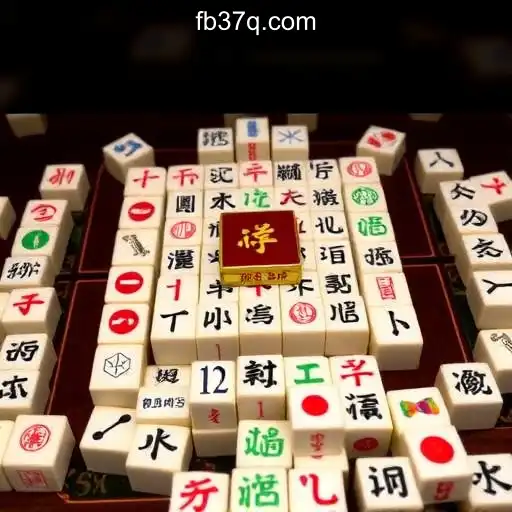
Mahjong is traditionally played by four players. The game uses 144 tiles based on Chinese characters and symbols, divided into suits and honor tiles. The suits include Bamboo, Characters, and Dots, while honor tiles are Winds and Dragons. The aim is to collect winning hands, often composed of sets and pairs, much akin to the card game Rummy.
Strategies for Mahjong
Successful Mahjong players rely on a mix of strategy, memory, and calculation. Recognizing patterns early, knowing which tiles to discard, and monitoring opponents’ play are crucial skills. Advanced strategies involve understanding probabilities and anticipating opponents' needs, allowing experienced players to increase their winning chances significantly.
Mahjong Variations
Different regions have contributed their own twists to the game rules and scoring systems. For instance, Japanese Mahjong incorporates the concept of ‘Riichi’ and offers a complex scoring system, adding a thrilling dynamic to the gameplay. American Mahjong, seen with its own set of cards determining legal combinations or "hands," adds another layer of depth, reflecting cultural influences.
Mahjong's Cultural Impact
Mahjong is not only a game but a significant cultural activity. It holds a place in social gatherings, family get-togethers, and is often associated with fostering community bonds. The game is celebrated in Chinese festivals and continues to be a staple in Asian diasporas across the world, symbolizing tradition and shared heritage.
Modern Adaptations and Online Mahjong
With the advent of digital technology, Mahjong has seen a resurgence through online platforms, making it accessible to a global audience. One such exciting platform is the 37Q.COM platform-Oficial Slots Brasil #1, which offers a seamless digital Mahjong experience. This platform allows players to experience traditional Mahjong gameplay alongside a variety of engaging slots, providing a unique blend of classic and modern gaming.
The Future of Mahjong
The future of Mahjong appears bright, with digital innovations continuing to introduce this classic game to new audiences. Online platforms like [37Q.COM](https://37q.com) enhance the accessibility and enjoyment of Mahjong, preserving its cultural heritage while pushing boundaries. The game’s capacity to adapt suggests that Mahjong will remain a beloved pastime for generations to come.
Conclusion
Mahjong remains a fascinating game that combines tradition, skill, and modern adaptation. Its enduring popularity is a testament to its engaging nature and the cultural significance it holds in communities worldwide. Whether played in-person or on the 37Q.COM platform-Oficial Slots Brasil #1, Mahjong continues to captivate players, bringing them together through this age-old tradition.